Overview
What a flake floor is — and why it works so well
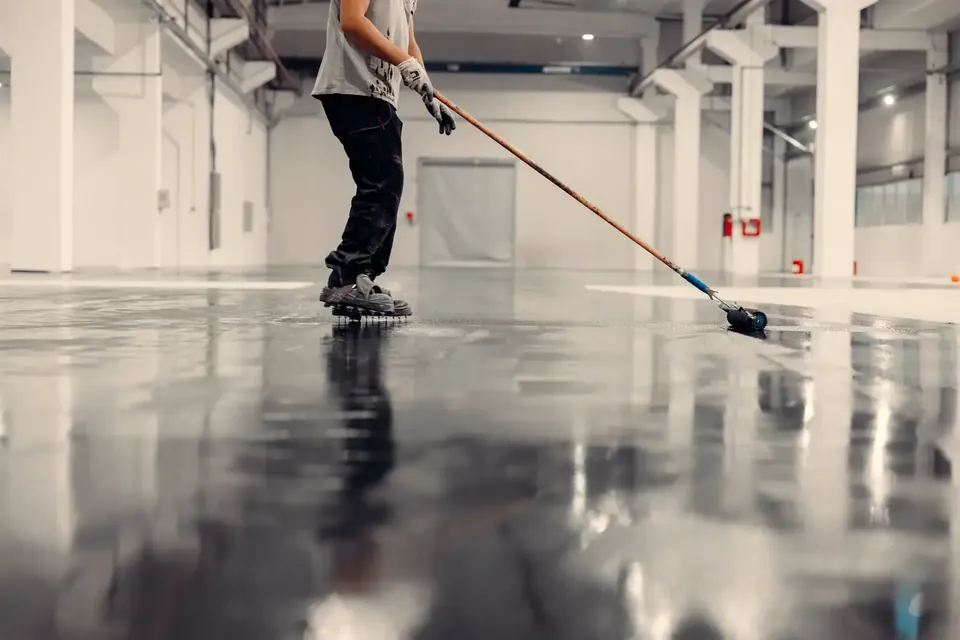
Flake floors (you may also hear them called chip or broadcast systems) go down in stages. After the concrete is ground and repaired, a pigmented base coat is applied. While that coat is still wet, colored vinyl flakes are broadcast across the surface by hand until the base is completely covered. Once the base cures, loose flakes are scraped and vacuumed off, leaving a textured layer locked in place. A clear topcoat then seals the system and sets its final feel.
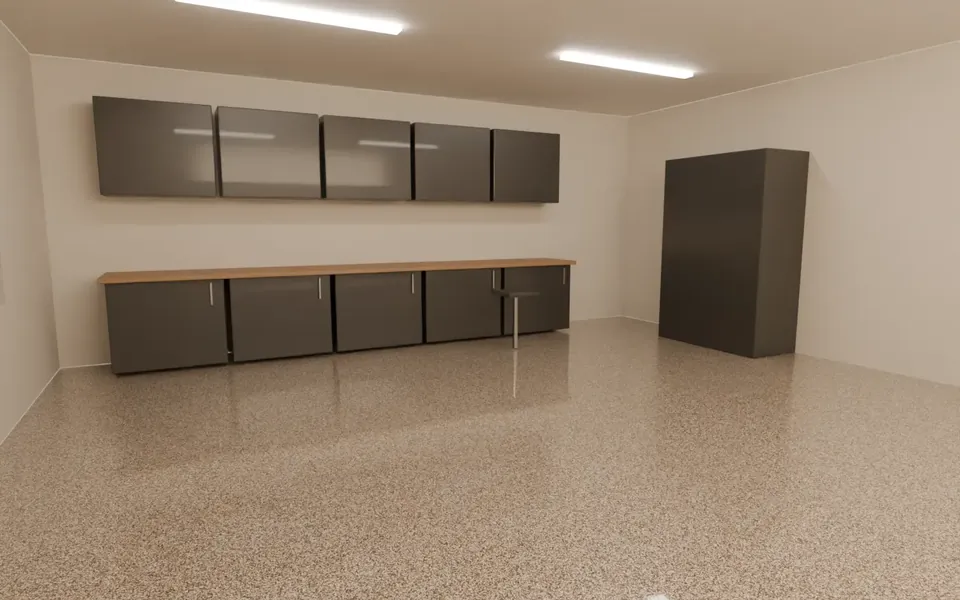
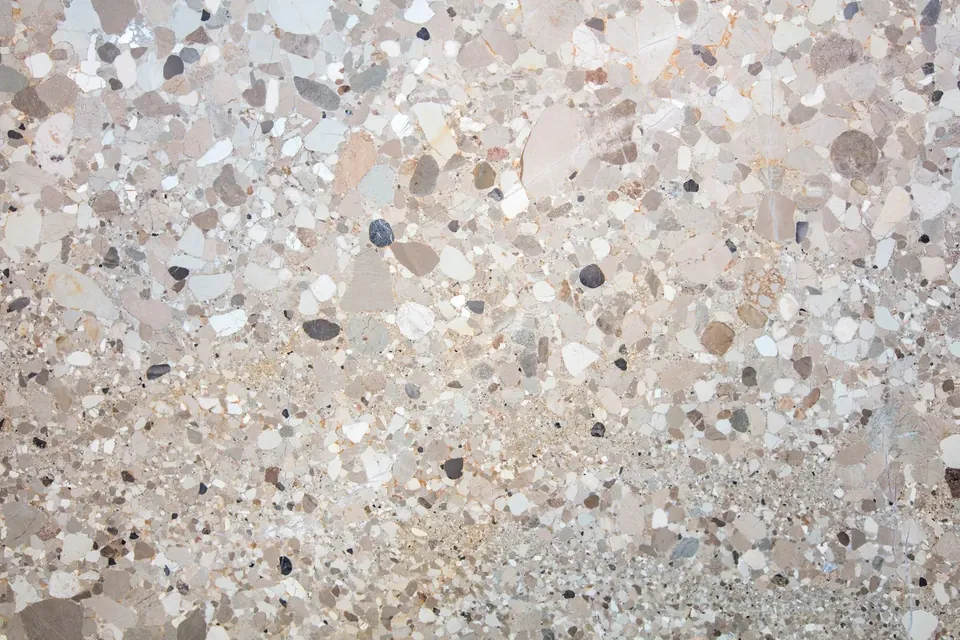
The appeal is partly visual. A well-chosen blend reads like natural stone or terrazzo, with depth and variation that a solid color cannot match. But the real reason flake has become the default garage finish in so much of the Midwest is practical. The multi-tone pattern disguises dust, tire marks, water spots and the fine grit that blows in every time the door opens. A floor that looks clean between cleanings is a floor you will enjoy longer.
Flake also adds body. The chips and the extra material in a full broadcast build up the system's thickness, and the slightly textured surface gives shoes more to grip than a smooth gloss coat. In a garage that sees snowmelt from November through March, that texture is not a cosmetic detail — it is a safety feature.
We install flake floors throughout New Berlin and nearby communities, in homes and in businesses that want a durable, attractive floor without the maintenance demands of a high-gloss finish.
Benefits
Advantages of a decorative flake system
Camouflages dirt
Mixed colors hide dust, lint, footprints and small blemishes far better than single-color finishes.
Built-in texture
The chip profile under the topcoat provides grip, and slip-resistant additives can be added for extra traction.
Extra film build
A full broadcast adds body to the system, which helps it handle impact and abrasion from daily use.
Hides imperfections
Patched cracks and minor surface variations in older slabs are much less visible beneath a flake pattern.
Wide range of blends
From cool greys to warm tans, blends can complement siding, cabinets, brick or interior finishes.
Efficient installation
With a fast-curing base and topcoat, most garages are finished within one or two working days.
Options & finishes
Flake blends, sizes and coverage
Choosing a flake floor is mostly about three decisions: the color blend, the size of the chips, and how densely they are broadcast. We bring physical samples so you can see them in your own space and light.
Garage lighting changes how a blend looks. A sample that seems too busy on a table often settles down on a full floor, while a very light blend can look starker under bright LEDs. Seeing samples on site helps.
Applications
Where flake floors make the most sense
Flake shines anywhere a floor needs to look good without demanding constant attention. That covers far more than garages.
Residential garages
The classic application and the most popular in New Berlin.
Mudrooms & back entries
Wet boots and sports gear, without visible footprints.
Basements & storage
Durable texture for busy lower levels.
Locker & break rooms
Commercial spaces that need easy cleaning.
Showrooms & lobbies
Fine blends for an upscale, stone-like look.
Veterinary & kennel areas
Seamless surfaces that can be washed down.
Installation
Building a flake floor, layer by layer
Surface preparation
Diamond grinding and repairs create a sound, open profile. Edges are hand-ground so the coating bonds all the way to the walls.
Pigmented base coat
The base is tinted to complement the blend, so any gaps between chips blend in rather than stand out.
Flake broadcast
Chips are thrown by hand in a consistent pattern until the base is fully covered — or to the density you chose for a partial broadcast.
Scrape and vacuum
Once cured, the floor is scraped to knock down chips that stand up, then vacuumed thoroughly. This step decides how smooth the finished surface feels.
Clear topcoat
A UV-stable topcoat seals the flakes, provides abrasion resistance and sets the sheen.
Final inspection
We walk the floor with you, check edges and transitions, and go over cure times and care.
Professional installation
Why flake floors are worth installing properly
Flake is sometimes marketed as a forgiving system, and visually it is. But the parts that make a flake floor last are all hidden beneath the chips. If the base coat is too thin or the slab was not properly ground, the coating can release in tire paths or near the door — and no amount of decorative flake will hide that.
The scrape-and-vacuum stage is another place where shortcuts show. Skip it or rush it and you get a floor that feels rough, collects dirt in its texture and wears the topcoat unevenly. Done well, the finished floor has a uniform, comfortable texture that cleans easily.
We also pay attention to chip distribution. Uneven broadcasting leaves light or heavy patches that are obvious once the floor is finished and the sun comes through the garage door. Consistency takes practice, and it is one of the clearest differences between a professional floor and an amateur one.
New Berlin & Wisconsin
Why flake suits New Berlin garages
Winter in southeastern Wisconsin is hard on any floor that vehicles drive onto. Melting snow leaves streaks, salt dries into a white film, and sand and grit get tracked in from driveways and streets. A flake finish disguises a great deal of that between cleanings, which is why it is so popular here.
The texture matters too. A wet, perfectly smooth floor can be slippery, and a garage is where most of us walk from a warm car to the house in the dark. A flake system, optionally with added grit in the topcoat, gives your shoes something to hold onto.
For detached garages that are not heated, we plan installs during warmer stretches and choose products with suitable application temperatures, so the floor cures properly before winter returns.
Cost & care
Cost and care of a flake floor
Flake floors are priced by size, slab condition, repair needs and system build. A full broadcast uses more material than a partial broadcast, and a polyaspartic topcoat costs more than some alternatives but adds UV stability and faster cure. We explain each option so you can choose the balance of look, performance and budget that suits you.
Caring for a flake floor is easy. Sweep with a soft broom, squeegee meltwater in winter and mop occasionally with a mild cleaner. The texture and pattern are forgiving, so the floor looks clean even between cleanings.
- Sweep or dust mop regularly.
- Squeegee slush and meltwater out during winter.
- A damp mop and a gentle cleaner handle anything a broom won't.
- Use mats under kickstands and jack stands.
FAQ
Decorative Flake Flooring: frequently asked questions
Do the flakes come loose over time?
Not when the system is installed correctly. The flakes are set into the base coat and sealed under the topcoat, so they are encapsulated rather than sitting on the surface. Wear generally shows in the topcoat first, which can be refreshed if needed.
Is a flake floor harder to clean than a smooth one?
Slightly, because the texture holds a bit more grit. Most homeowners find a soft broom, dust mop and occasional damp mopping keep it looking good. If easy cleaning matters most, ask for a smoother topcoat finish.
How do I choose a flake color?
We bring samples to the estimate so you can see them in your own lighting. Consider your exterior colors, how much dirt the space sees, and whether you want the floor to stand out or recede.
Can flake be used on a basement floor?
Yes, flake works well in basements, especially in busy areas like laundry rooms, play rooms and storage spaces. As with any basement project, we test the slab for moisture first.
What is the difference between flake and quartz floors?
Both are broadcast systems. Quartz uses colored sand-like aggregate and creates a more uniform, gritty texture often used in commercial kitchens and restrooms. Flake uses vinyl chips for a more decorative appearance and is more common in homes and garages.