Overview
What polyaspartic coatings are and why we use them
Polyaspartic is a type of aliphatic polyurea, a coating chemistry developed to cure faster and handle sunlight better than traditional epoxy. In plain terms, it hardens quickly, stays clear rather than ambering when UV light hits it, and forms a tough, abrasion-resistant film.
Those traits make it a natural topcoat. Many of our garage floors combine a base coat with a decorative flake broadcast and finish with a polyaspartic clear coat. The base provides adhesion and build; the polyaspartic layer takes the wear, resists hot tires and chemicals, and keeps the floor from yellowing where sun streams in through the garage door.
Polyaspartic can also be used as a complete system, with primer, body coat and topcoat all from the same family. That approach can shorten a project significantly, which is useful for busy households, businesses that cannot close for long, and outdoor surfaces where weather windows are short.
The trade-off is that fast cure means a short working time. Polyaspartics must be mixed and applied quickly and evenly, and they are less forgiving of mistakes than slower products. That is one of the reasons they are almost exclusively a professional coating.
Benefits
Benefits of polyaspartic coatings
Quick return to service
Many polyaspartic systems allow foot traffic within hours, getting garages and businesses back in use sooner.
UV stability
Aliphatic chemistry resists yellowing, so floors near doors and windows keep their color and clarity.
Abrasion resistance
A hard, tough surface holds up to tires, foot traffic and dragged equipment.
Chemical resistance
Stands up to many automotive fluids, salts and household chemicals when spills are cleaned promptly.
Wider temperature range
Many products can be applied at cooler temperatures than standard epoxy, which helps in Wisconsin shoulder seasons.
Clear, attractive finish
Available in gloss and satin, with optional slip-resistant texture.
Options & finishes
Polyaspartic system options
We use polyaspartics in several ways depending on the floor, the budget and how quickly the space needs to be back in use.
Applications
Where polyaspartic coatings perform well
Polyaspartics are versatile. We use them anywhere sunlight, quick turnaround or abrasion resistance are priorities.
Residential garages
As the topcoat over flake and color systems.
Porches & patios
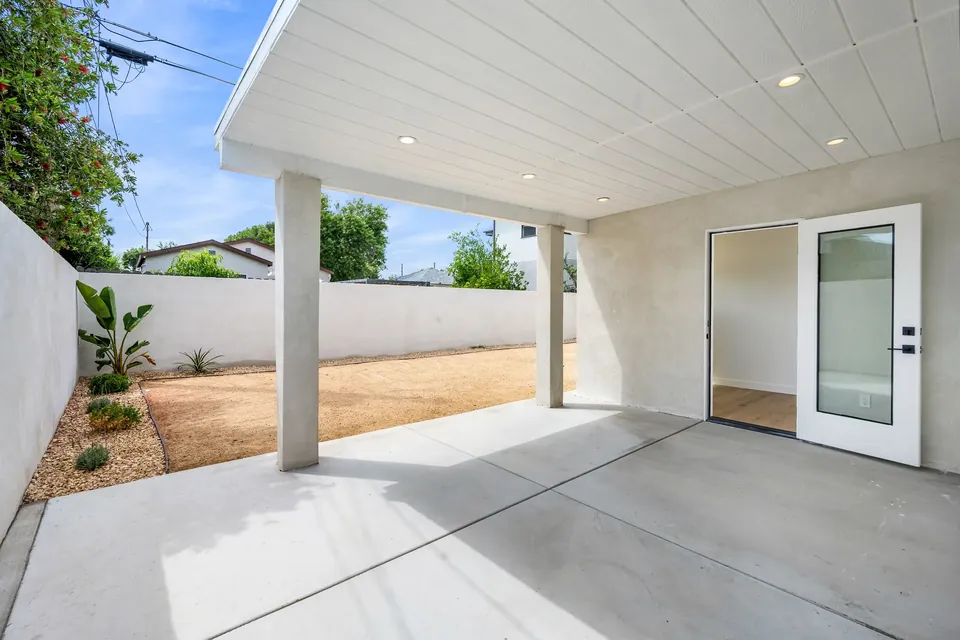
Outdoor slabs that see direct sunlight.
Retail & offices
Spaces that need minimal downtime.
Showrooms
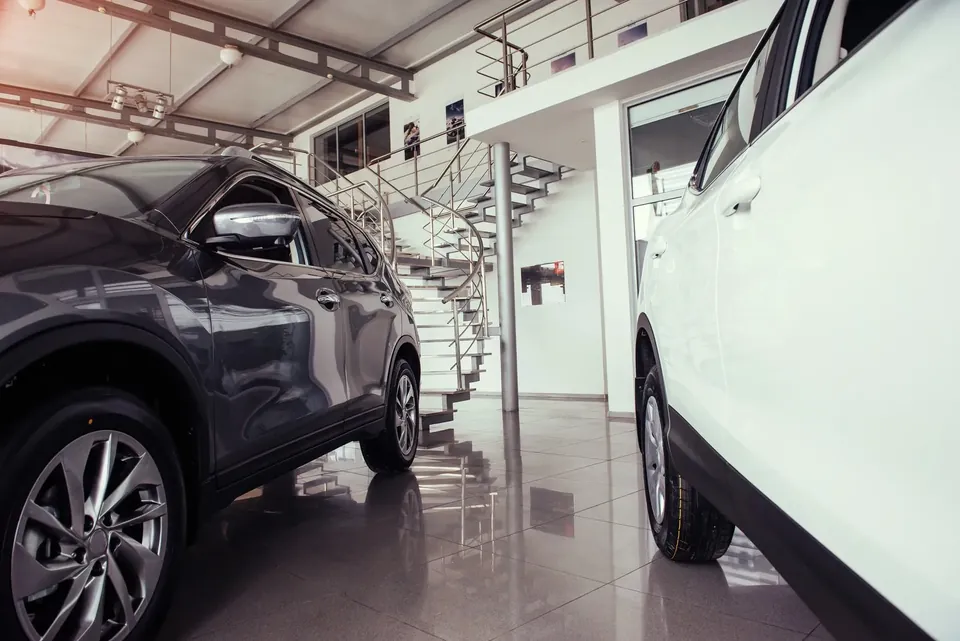
Clear, durable finishes over decorative layers.
Commercial kitchens
Where chemical resistance and easy cleaning matter.
Service areas
Floors that see tires, fluids and abrasion.
Installation
Installing a polyaspartic system
Speed is the advantage, so planning and preparation make all the difference.
Assess slab and conditions
We check the concrete, moisture levels and the expected temperature and humidity on install day.
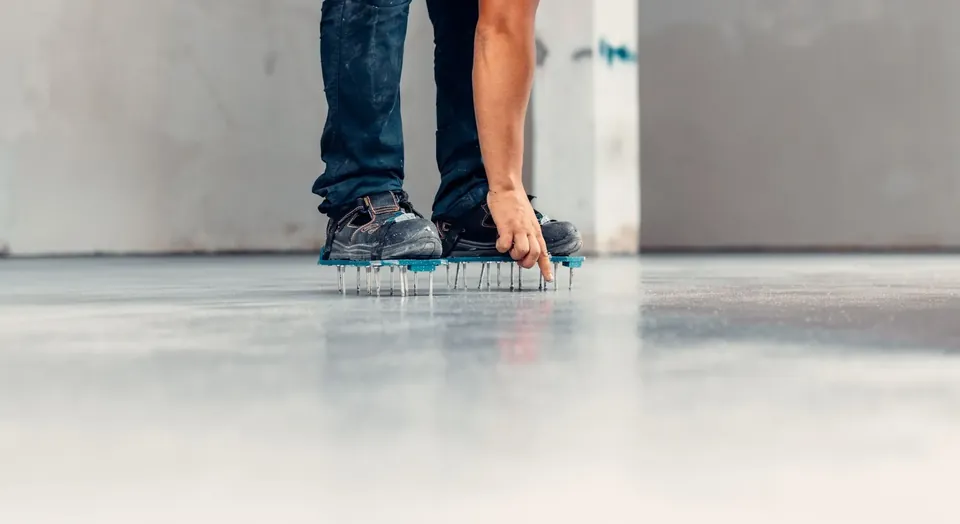
Diamond grind and repair
The surface is ground and repaired, just as with any system. Fast cure doesn't change the need for good adhesion.
Prime or base coat
The first layer is applied to bond with the concrete. Depending on the system, this may be epoxy, polyurea or polyaspartic.
Decorative layer
Flake, color or other decorative elements are added if part of your design.
Polyaspartic topcoat
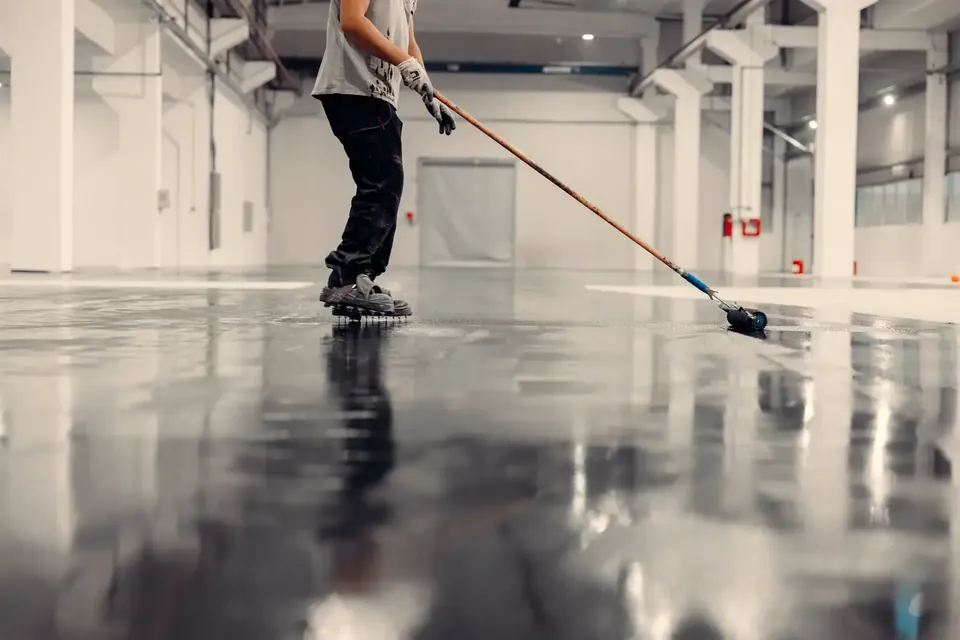
The topcoat is mixed in measured batches and applied efficiently within its working window.
Cure and return to use
We tell you when it is safe to walk, return items and drive on the floor, based on the products and conditions.
Professional installation
Why professional application matters for polyaspartics
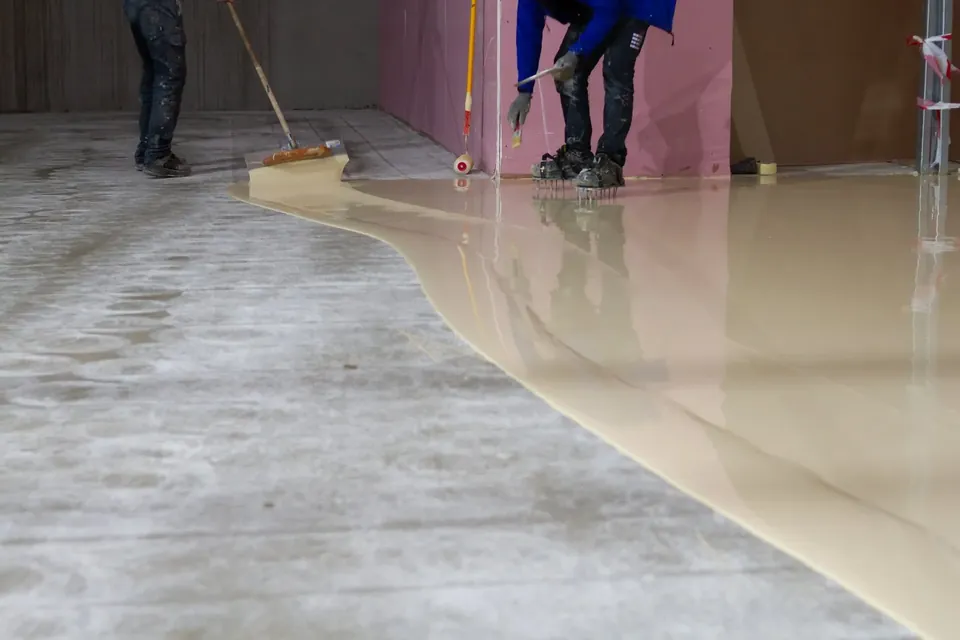
Polyaspartic coatings can begin to set in minutes. That means mixing in measured batches, having the right crew size, and knowing exactly how much area can be covered before the material starts to tack up. Roller marks, lap lines and uneven sheen are common when inexperienced installers work with fast-curing products.
Environmental conditions also affect working time. Warm temperatures and high humidity speed curing; cool conditions slow it down. We adjust product selection and application technique based on what we find on site.
A fast-curing coating still depends on proper surface preparation. Polyaspartic does not change the need to grind the slab, repair cracks and check moisture. Skipping those steps leads to the same adhesion problems as any other coating.
We are also careful about product claims. Some marketing describes polyaspartic floors as one-day miracles that never wear out. In reality, they are excellent coatings with real advantages, and they still depend on preparation, appropriate thickness and sensible care. We explain what you can realistically expect from your floor.
New Berlin & Wisconsin
Polyaspartics and the Wisconsin calendar
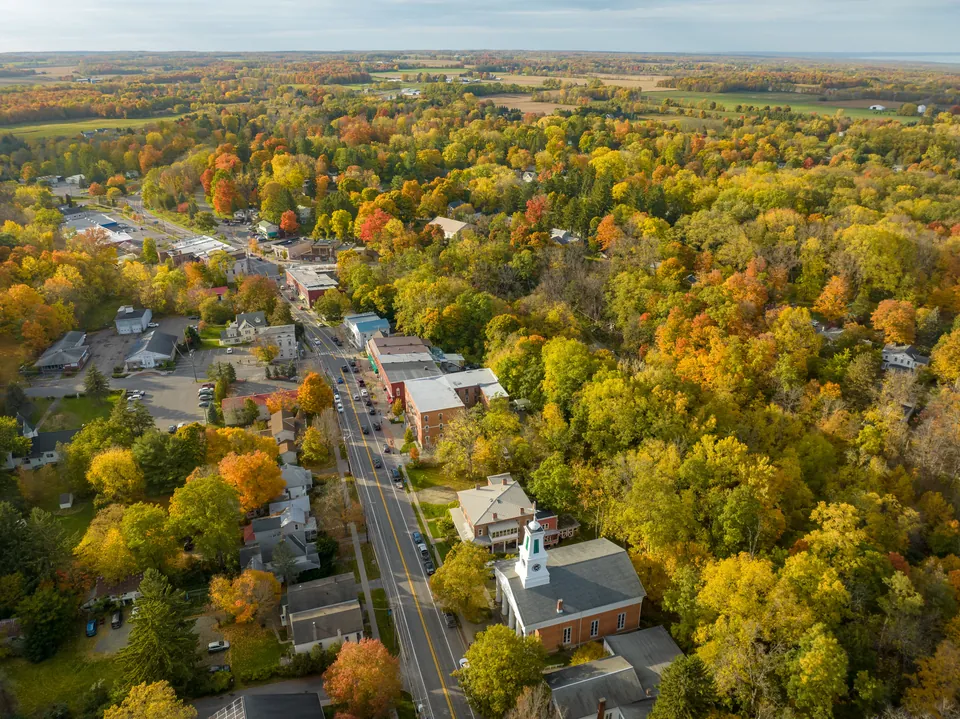
Our coating season is shaped by temperature. Standard epoxies typically want warmer conditions for good flow and cure, which can limit when unheated spaces can be coated. Many polyaspartic products are formulated to be applied in cooler conditions, giving more flexibility in late fall and early spring.
Fast cure is also useful for outdoor work. Porches and patios in New Berlin are exposed to rain and dew, and a coating that cures in hours rather than days reduces the risk of weather interfering with the job.
UV stability matters too. Garage doors facing south or west can let in a lot of sun, and outdoor surfaces see direct exposure all summer. Polyaspartic topcoats help floors keep their color under that sunlight.
Fast curing is especially useful for attached garages that families rely on every day. Cars spend less time parked in the driveway during installation, which matters when the forecast calls for snow.
Cost & care
Cost, value and maintenance of polyaspartic systems
Polyaspartic materials generally cost more than standard epoxy, and their fast cure requires a well-coordinated crew. In exchange, you get faster turnaround, better UV resistance and a topcoat that stands up well to abrasion. For many homeowners, using polyaspartic as the topcoat over an epoxy or polyurea base gives a good balance of performance and cost.
The total price of a polyaspartic floor depends on the square footage, the condition of the concrete, the repairs required, and whether you choose a full flake broadcast, partial flake or solid color. We provide a written estimate after seeing the slab, with each part of the scope listed separately.
Day to day, there is very little to it: keep loose grit swept up, push meltwater out with a squeegee during snowy weeks, and mop now and then. Avoid harsh acidic or citrus-based cleaners, which can dull some finishes over time.
- Keep grit off the surface with a dust mop or soft broom; it is what wears a topcoat down.
- Squeegee meltwater out of the garage during snowy stretches.
- Mop with a pH-neutral cleaner; avoid acidic or citrus-based products.
- Place mats under kickstands, jack stands and other point loads.
- Plan a topcoat refresh for heavy-wear areas after years of use rather than waiting for the color layer to show wear.
FAQ
Polyaspartic Floor Coatings: frequently asked questions
Is polyaspartic better than epoxy?
Each has strengths. Epoxy offers excellent adhesion and build at a lower cost and is a great base coat. Polyaspartic offers faster cure, UV stability and abrasion resistance, making it an excellent topcoat. Many of our best floors use both.
Can I really use my garage the same day?
Walking on the floor within several hours is often possible with polyaspartic systems. Driving on it generally waits longer. We give you specific times based on the products used and the temperature during installation.
Does polyaspartic work outdoors?
Yes. Its UV stability makes it suitable for porches, patios and walkways. We consider drainage, slope and moisture before recommending an outdoor coating.
Will polyaspartic yellow over time?
Aliphatic polyaspartic coatings are designed to resist UV yellowing, which is one of their main advantages over standard epoxy topcoats.
Can a polyaspartic topcoat be renewed later?
Yes. If the topcoat wears after years of use, it can usually be cleaned, lightly abraded and recoated without redoing the entire system.
Is polyaspartic more slippery than epoxy?
Both can be slippery when wet if applied smooth and glossy. We add texture or anti-slip aggregate to polyaspartic topcoats in garages and outdoor areas to improve footing.
Can polyaspartic go over an existing coating?
If the existing coating is well bonded and compatible, it may be possible to abrade it and apply a polyaspartic topcoat. We test adhesion first, because a new topcoat cannot fix an old coating that is failing underneath.
Is polyaspartic a good choice for a detached garage?
It can be. Because many polyaspartic products tolerate cooler application temperatures than standard epoxy, they can widen the window for coating an unheated garage. We still check slab temperature, moisture and the forecast before scheduling, so the coating cures properly.