Overview
Coatings for working floors
Industrial concrete takes punishment that most floors never see. Forklifts and pallet jacks put concentrated loads on small wheels, equipment leaks oils and coolants, pallets get dragged, and floors are scrubbed daily. Bare concrete dusts, stains and wears into ruts along travel lanes. Joints spall at the edges and become trip and wheel hazards.
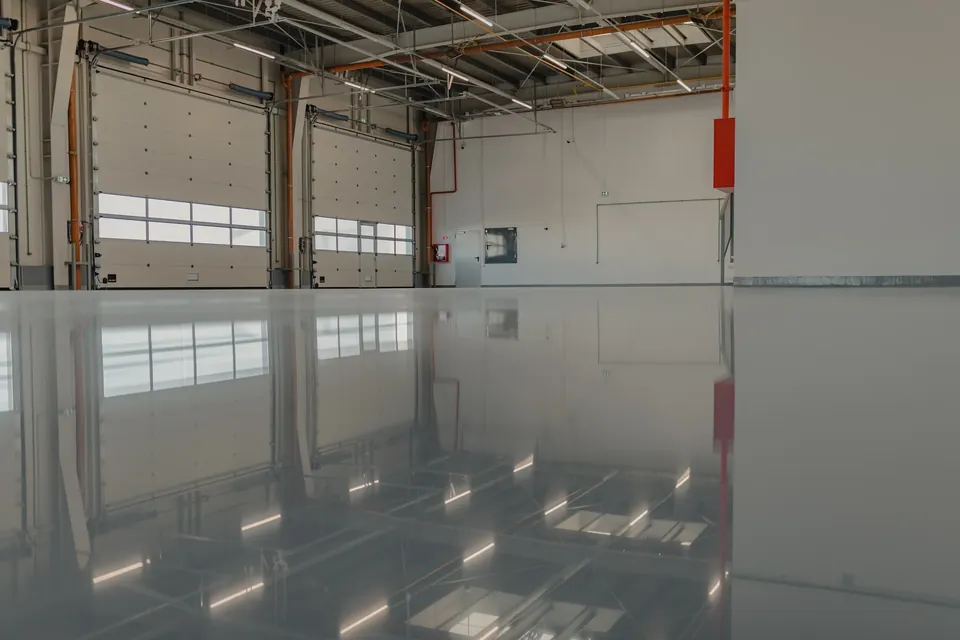
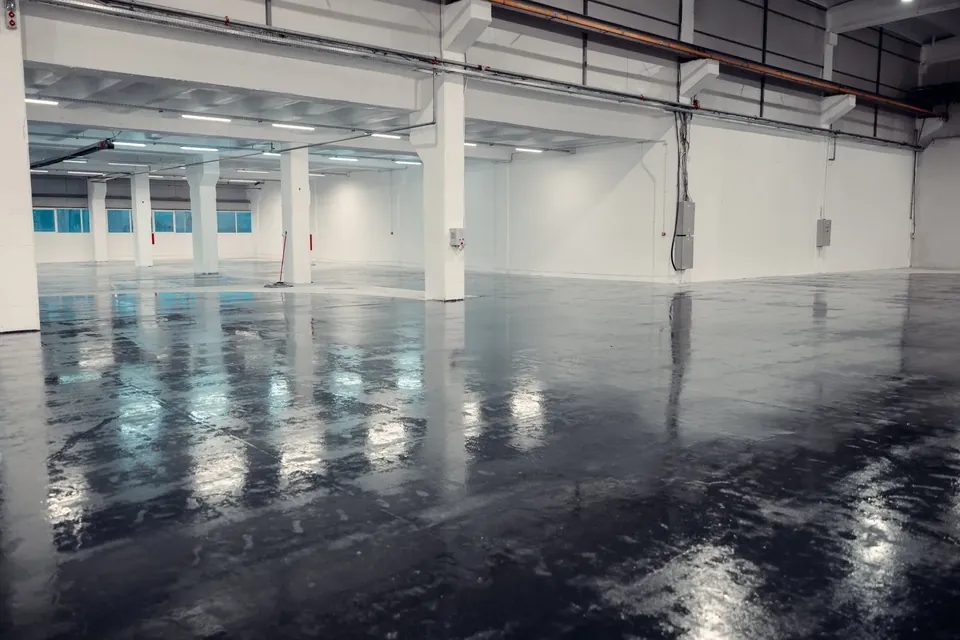
A properly specified warehouse coating protects the slab from that wear, makes the floor easier to clean, and improves visibility with lighter, more reflective surfaces. It also gives you a clean canvas for safety striping, marked aisles and pedestrian walkways.
New Berlin has a large industrial base. The city's three business parks — including the New Berlin Industrial Park, which dates to the 1960s — cover more than 1,100 acres and host manufacturers, distributors and service companies. Many of those buildings have slabs that have been in service for decades, and they are often due for repair and recoating.
We work with facility managers and owners to assess floors, prioritize repairs, and plan installs around production and shipping schedules.
Benefits
Why coat an industrial floor
Abrasion resistance
High-build systems withstand forklift traffic and dragging better than bare concrete.
Dust control
Sealing the slab stops concrete dusting that settles on products and equipment.
Chemical resistance
Protects concrete from oils, coolants and many cleaning chemicals.
Better visibility
Light-colored floors reflect overhead lighting, improving visibility in aisles and work areas.
Safety markings
Clear lines for travel lanes, pedestrian walkways and staging areas.
Easier cleaning
Smooth, sealed surfaces work well with auto scrubbers and daily cleaning routines.
Options & finishes
Industrial systems and add-ons
Industrial floors are specified around loads, chemicals, cleaning methods and how much downtime the facility can accept.
Applications
Facilities we coat
Any facility with working concrete floors can benefit from the right coating system.
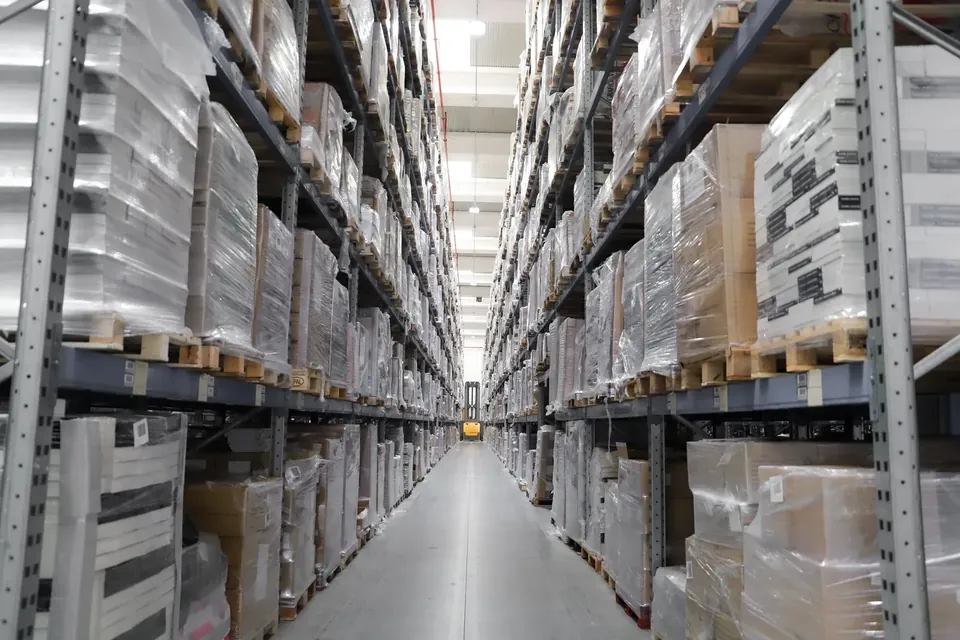
Warehouses
Storage aisles, staging and shipping.
Distribution centers
High-traffic forklift lanes.
Manufacturing
Production floors and assembly areas.
Service bays
Vehicle maintenance and fleet shops.
Loading docks
Dock aprons and interior dock areas.
Mezzanines
Upper-level storage and work areas.
Installation
How we approach industrial floors
Assessment
We inspect the slab, joints, contamination and moisture, and review traffic and cleaning routines.
Planning and phasing
We sequence areas to keep the facility running, working nights or weekends where needed.
Preparation
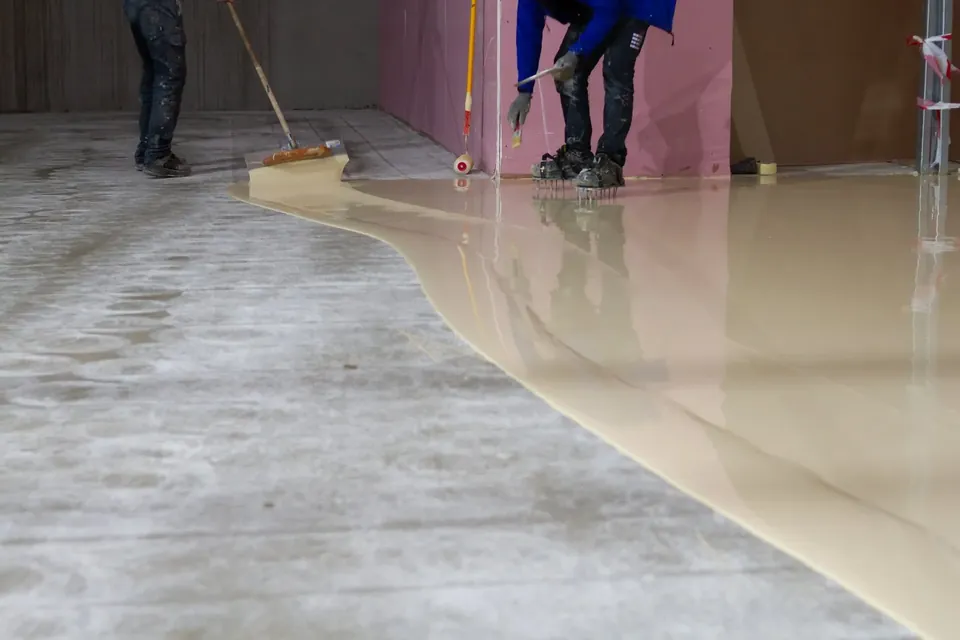
Grinding or shot blasting with dust control, contaminant removal, and repair of joints and spalls.
Coating installation
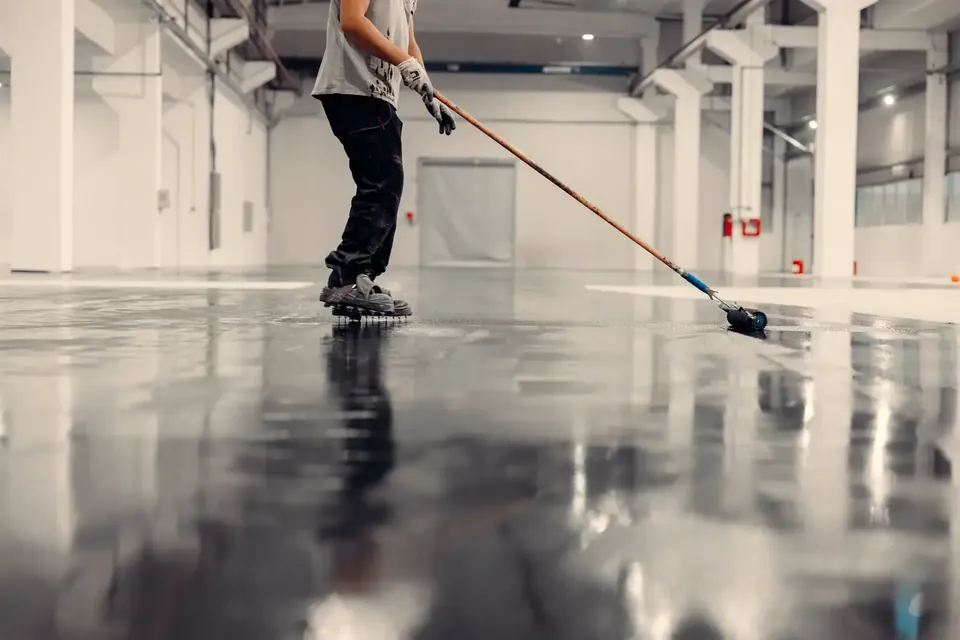
Each zone gets the primer, build coats and topcoat specified for its loads and exposure.
Striping and markings
Aisles, walkways and zones are laid out and marked according to your plan.
Return to service
We confirm cure times and coordinate return of equipment and traffic.
Professional installation
Why industrial floors need experienced installers
Industrial slabs often carry decades of oil and chemical contamination, old coatings and repairs. Getting a new coating to bond requires thorough preparation and, sometimes, specialized cleaning. Skipping that work leads to early failure under heavy traffic.
Scheduling is another challenge. Facilities rarely shut down completely. We plan around your operations and coordinate with your team so work progresses without disrupting shipping and production.
Finally, joint repair and striping layout are details that affect daily safety. We plan them carefully with you, not as an afterthought.
We also think about the people who will use the floor. Clear pedestrian walkways, highly visible hazard areas and slip resistance at ramps and wash bays make a real difference to everyday safety. Those choices are discussed with your team rather than assumed.
Good communication matters during an industrial project. We agree on work zones, access routes, ventilation and cure times before we start, and we keep your contact updated as each area is completed so equipment can move back in on schedule.
Before we start, we walk the floor with your facility or operations lead to confirm priorities, mark off zones and agree on how equipment and people will move around the work. That conversation prevents most of the problems that make industrial projects stressful.
New Berlin & Wisconsin
Industrial floors in southeastern Wisconsin
Wisconsin winters bring salt and snow into facilities on trucks, forklifts and boots. Dock areas and entries take the worst of it. Textured, chemical-resistant systems in those zones help floors stay safe and intact.
Large overhead doors also expose slabs to temperature swings. Concrete near dock doors can be much colder than the interior of the building in winter. We consider those conditions when selecting systems and timing installations.
Many buildings in New Berlin's industrial parks were built decades ago. Their slabs may have older coatings, repairs and joints that need attention. We assess each area and prioritize the repairs that matter most.
Snowmelt tracked in by trucks and forklifts tends to pool near dock doors, where floors are also coldest. In those areas we lean toward textured, chemical-resistant topcoats and recommend keeping squeegees and floor scrubbers in regular use during winter months.
Cost & care
Budgeting, downtime and long-term maintenance
Industrial floor projects are usually budgeted in phases. Some facilities coat every square foot at once during a planned shutdown; others start with the areas that suffer most, such as dock aprons, main forklift lanes and maintenance bays, and move outward over time. Both approaches work, and we help you decide which areas will give you the biggest return first.
The condition of the slab is the largest cost factor. Floors with deep oil saturation, failing old coatings, wide or damaged joints, or uneven surfaces need more preparation before any coating goes down. A relatively clean slab in good shape moves much faster. During the assessment we separate these items in the estimate so you can see where the money is going.
Downtime costs money too, so product choice is partly a scheduling decision. Faster-curing systems may cost more per square foot but return an aisle to service sooner. For some operations that trade-off is easily worth it; for others, a weekend install with a standard system fits fine.
After installation, the best thing you can do for an industrial floor is keep it clean. Grit under forklift wheels acts like sandpaper. Regular sweeping or scrubbing, prompt cleanup of spills, and repairing damaged joints before they spread will extend the life of the coating considerably.
- Sweep or scrub travel lanes on a regular schedule to remove abrasive grit.
- Keep forklift wheels clean and replace damaged or chunked tires.
- Address spalled joints early, before they damage the coating around them.
- Re-mark faded striping in high-traffic zones as part of routine maintenance.
- Plan topcoat renewals for the busiest lanes rather than waiting for wear-through.
FAQ
Warehouse Floor Coatings: frequently asked questions
Can you work around our production schedule?
Yes. We phase work by area and schedule nights, weekends or shutdown periods where needed to minimize disruption.
How long until forklifts can return?
Return-to-service times depend on the system and temperature. Fast-curing products can reduce downtime. We provide specific timing in the project plan.
Do you repair damaged joints?
Yes. Spalled and damaged joints are cleaned out and filled with appropriate materials to reduce wheel impact and further deterioration.
Can you add safety striping to an existing floor?
Yes. We can lay out and install striping on new or existing coated floors, as well as on prepared bare concrete.
What about oil-soaked concrete?
Heavily contaminated concrete may need degreasing, grinding and sometimes specialized primers. We assess contamination during the site visit.
Should we use epoxy or a different system in a freezer or cooler?
Cold storage needs products designed for low-temperature installation and service, along with careful planning around the room's operating temperature. Tell us about any cold areas during the assessment so we can recommend appropriate materials.
Can you coat just the forklift lanes?
Yes, partial coating is common. We can coat travel lanes, dock areas or specific departments and leave other areas for a later phase. Clean edges and transitions are planned so the floor still looks intentional.
What color should an industrial floor be?
Light greys are the most popular because they brighten the space and still hide everyday dirt reasonably well. Some facilities use different colors to define zones such as production, storage and walkways. We help you plan color with safety and visibility in mind.
Do you provide written documentation for facility records?
Yes. We provide a written scope describing the preparation, repairs and coating system, along with product data on request, so your maintenance team has a record of what was installed and how to care for it.