Overview
Epoxy for the rooms that live on concrete
Most houses in New Berlin have more concrete inside them than people realize. The lower level is the obvious one, but there is also the laundry room, the mechanical room, the space under the stairs, the mudroom off the garage, and sometimes a three-season room or sunroom built over a slab. These are the rooms where water heaters leak, buckets get knocked over and boots are left to drip.
Carpet and laminate have their place, but neither one enjoys getting wet. A residential epoxy floor bonds directly to the slab and forms a continuous surface with no seams for water to find. If the washing machine overflows or the sump pump struggles during a spring storm, cleanup is a matter of a wet-dry vacuum and a mop rather than tearing out flooring.
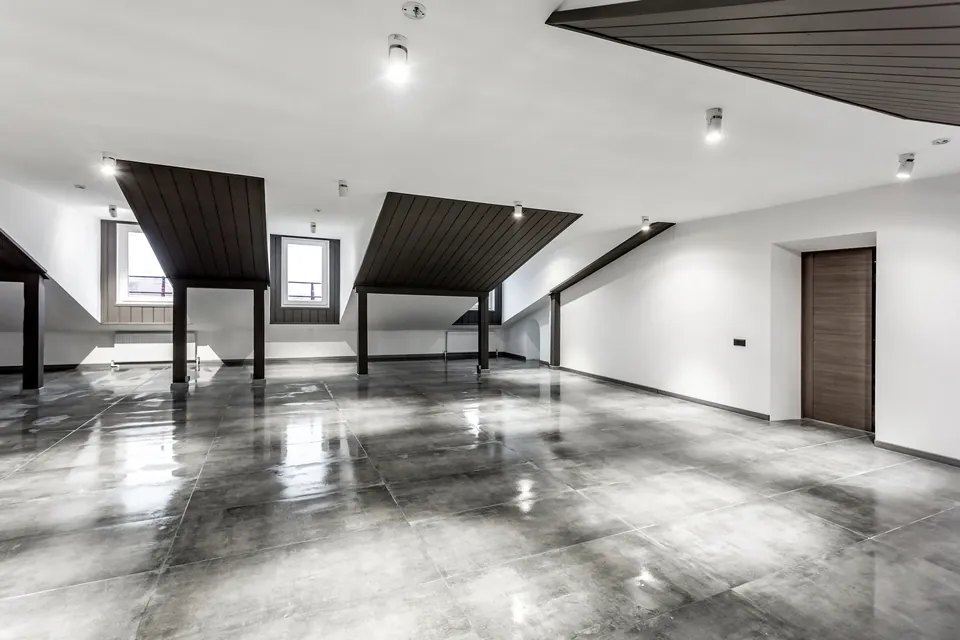
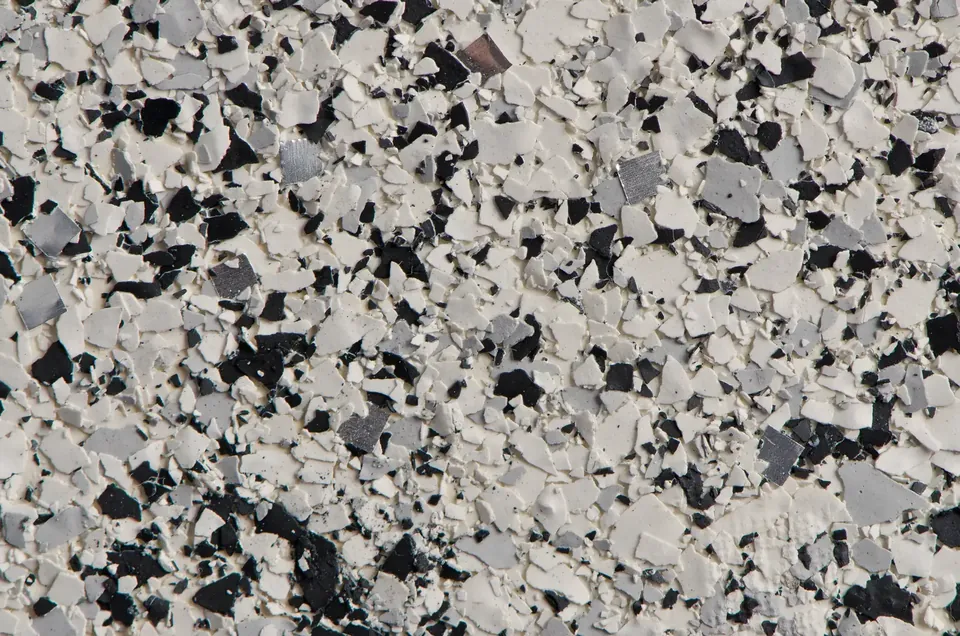
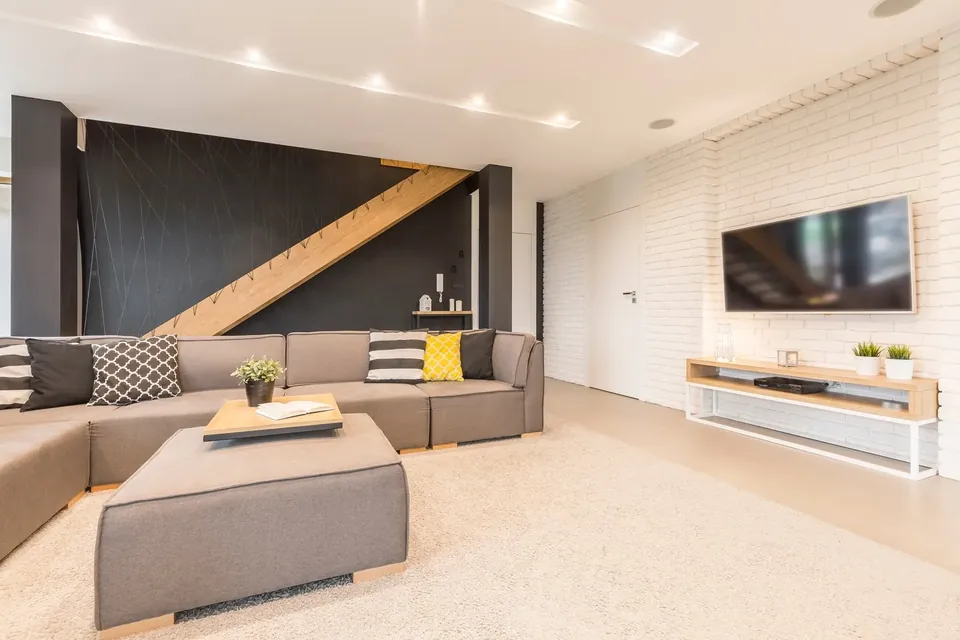
Epoxy has also come a long way from the flat grey paint people picture. A finished lower level can have a soft-gloss solid color, a subtle flake blend, or a metallic floor with real depth. Utility spaces can be bright and easy to keep clean. And because the floor is sealed, the fine concrete dust that bare slabs shed onto everything stored in a basement simply stops.
The catch with indoor floors, particularly below grade, is moisture. Basement slabs in southeastern Wisconsin can carry more vapor than they appear to, and that is the most common reason a basement coating fails. That is why every residential project we do starts with testing, not color samples.
Below grade, the question is never only "what color?" It is "what is this slab doing when nobody is looking?"
Benefits
Why homeowners choose epoxy indoors
Water-tolerant surface
A seamless, bonded coating handles spills and minor leaks without swelling, warping or growing mold the way some floor coverings can.
No more concrete dust
Sealing the slab stops the fine powder that settles on boxes, shelving and anything stored in an unfinished basement.
Brighter lower levels
Light colors and a soft sheen reflect what little daylight a basement gets, making it feel larger and more welcoming.
Design flexibility
Solid colors, flake blends and metallics can be matched to the rest of the home instead of looking like an afterthought.
Simple maintenance
Sweep and damp-mop with a mild cleaner. There is no grout to scrub and no carpet to shampoo.
Durable underfoot
Exercise equipment, rolling storage bins and furniture move across a coated floor without the gouges a softer surface would show.
Options & finishes
Residential floor options and finishes
Indoor floors give you more room to play with appearance than a garage does, because they do not have to handle road salt or hot tires. We help you weigh looks against the way the room is used.
Applications
Rooms we coat inside New Berlin homes
A residential epoxy floor is not limited to one room. Many homeowners do the laundry and mechanical areas first, then coat the rest of the lower level later once they see how it turns out.
Finished basements
Living areas, rec rooms and home theaters.
Unfinished basements
Storage, furnace and water heater areas.
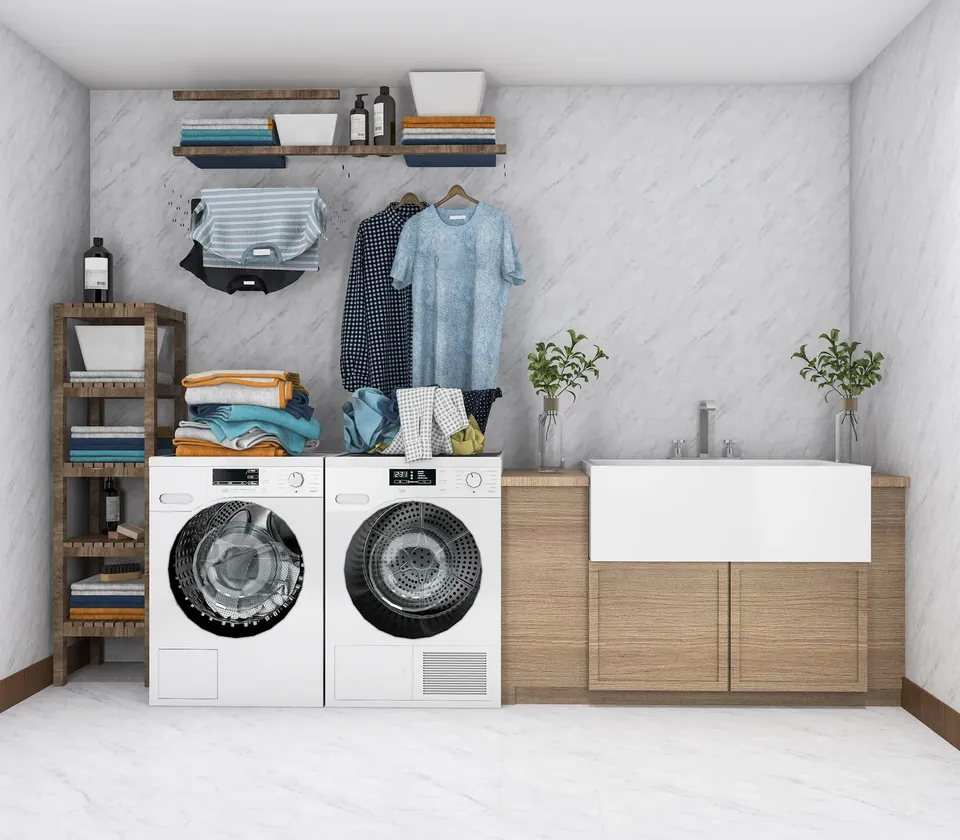
Laundry rooms
Floors that shrug off spills and overflow.
Mudrooms & entries
Wet boots, salt and sports gear.
Home gyms
Under racks, mats and cardio machines.
Sunrooms & porches
Interior slabs that see sun and seasonal temperature swings.
Installation
Installing a residential epoxy floor
Working inside a lived-in home means extra care at every stage. Here is how an indoor project typically runs.
Moisture and condition testing
We check the slab for vapor emission, look for efflorescence, previous floor glue or paint, and note any cracks or settlement.
Protect the house
Stairs, walls, doorways and mechanical equipment are masked off. Grinding is done with vacuum extraction to keep dust contained.
Grind and remove old materials
Carpet glue, tile adhesive, paint and sealers are ground away to expose clean concrete the coating can bond to.
Repair and level
Cracks, holes and low spots are filled. Around floor drains we shape the surface so water still flows where it should.
Build the decorative system
Primer, body coat and decorative layer are applied in sequence, whether that is a flake broadcast, a metallic layer or a solid color.
Topcoat and handover
A protective topcoat sets the sheen and texture. We explain when furniture can return and how to care for the floor.
Professional installation
Why indoor floors need an experienced installer
Coating a basement looks easy until something goes wrong. If moisture is pushing up through the slab, a coating that cures beautifully can begin to blister or release within months. Testing the slab and choosing materials suited to what the test shows is a judgment call that comes from installing floors in many different houses and conditions.
Indoor work also involves odor, ventilation and dust control. Many professional coatings are low-odor or 100-percent solids, but they still need to be applied with attention to airflow and to the people living upstairs. We plan the sequence so you can keep using the rest of the home, and we leave the space clean at the end of each day.
Finally, decorative finishes reward skill. Metallic floors in particular depend on technique and timing; the same product can look stunning or muddy depending on how it is worked. When the floor is part of a living space, that difference matters.
New Berlin & Wisconsin
Basement slabs and Wisconsin moisture
Southeastern Wisconsin homes deal with a lot of water in the ground. Spring snowmelt and heavy summer storms raise groundwater levels, and older homes in particular may have been built without a vapor barrier under the basement slab. Even when the floor looks and feels dry, moisture vapor can move up through the concrete and collect beneath a coating.
That is why we test before recommending a system. If moisture readings are low, a standard epoxy system is usually appropriate. If they are elevated, we may suggest a moisture-tolerant primer, a different product, or addressing drainage first. If the slab is regularly wet or shows active seepage, we will be honest that coating is not the fix.
Seasonal temperature changes matter indoors too. Basements stay cooler than the rest of the house, which slows curing. We plan around that so the floor reaches full hardness before heavy furniture and equipment return.
Cost & care
Cost and care for indoor epoxy floors
Residential pricing depends on the size of the area, the condition of the concrete, what needs to be removed, and the finish you choose. Removing old tile, carpet adhesive or paint adds time, as do repairs around drains and cracks. A simple solid color in a utility room is the most economical; metallic finishes in living spaces take the most labor.
Indoor epoxy floors are low-maintenance. Sweep or vacuum regularly and mop with a mild cleaner. Felt pads on furniture and rugs in living areas help protect the finish and add comfort.
- Sweep or vacuum regularly to remove grit.
- Mop with a mild, pH-neutral cleaner.
- Use felt pads under furniture legs.
- Wipe up spills promptly, especially harsh chemicals.
FAQ
Residential Epoxy Flooring: frequently asked questions
Is epoxy safe to install in an occupied home?
Yes, with sensible precautions. We use professional materials and ventilate the work area during application. Most households continue living in the home throughout the project, though we may ask that the area be closed off while coatings cure.
Will an epoxy basement floor feel cold?
A coated floor feels similar to the bare concrete underneath, since the coating itself is thin. Many homeowners add area rugs in living spaces. If you are planning in-floor heat or a subfloor system, talk with us first, because that changes what we would recommend.
Can you coat over vinyl tile or old basement paint?
Not reliably. Vinyl tile, adhesive residue and most paints need to be removed so the coating can bond to the concrete itself. Removal and grinding are included in the scope when we see them during the estimate.
What happens at the floor drain?
We prepare and coat around floor drains carefully, keeping the slope so water still flows toward the drain. Grates are removed during the work and reinstalled when the coating has cured.
How long before I can move furniture back?
Light foot traffic is usually possible within a day, depending on the system. Furniture and heavy items generally wait a few days longer so the coating can reach full hardness. Cooler basement temperatures can extend those times, and we give you specifics for your floor.