Overview
What makes a metallic floor different
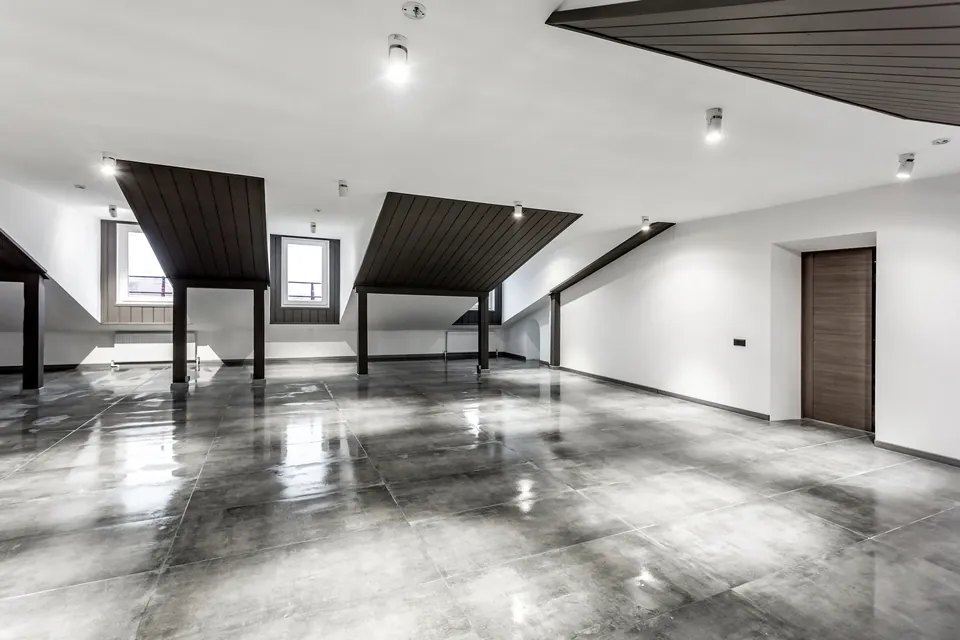
Most coatings are about uniformity: an even color, a consistent texture, no visible variation. Metallic epoxy is the opposite. The coating contains finely ground reflective pigments, and while it is still workable the installer moves it with rollers, trowels, brushes and sometimes solvents to create patterns. As the pigments settle, they catch light differently depending on their orientation, which is what produces the shimmering, liquid look.
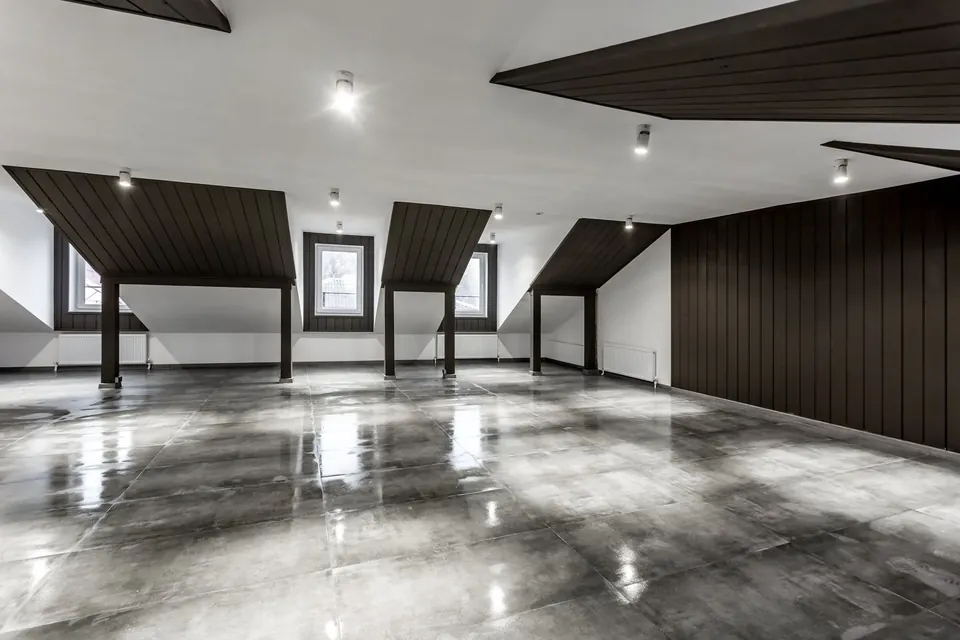
The result can be subtle — a soft silver-grey floor with gentle cloudy movement — or bold, with deep veins of contrasting color that look like polished stone or a river seen from above. Because the pattern is created by hand in real time, every metallic floor is genuinely one of a kind.
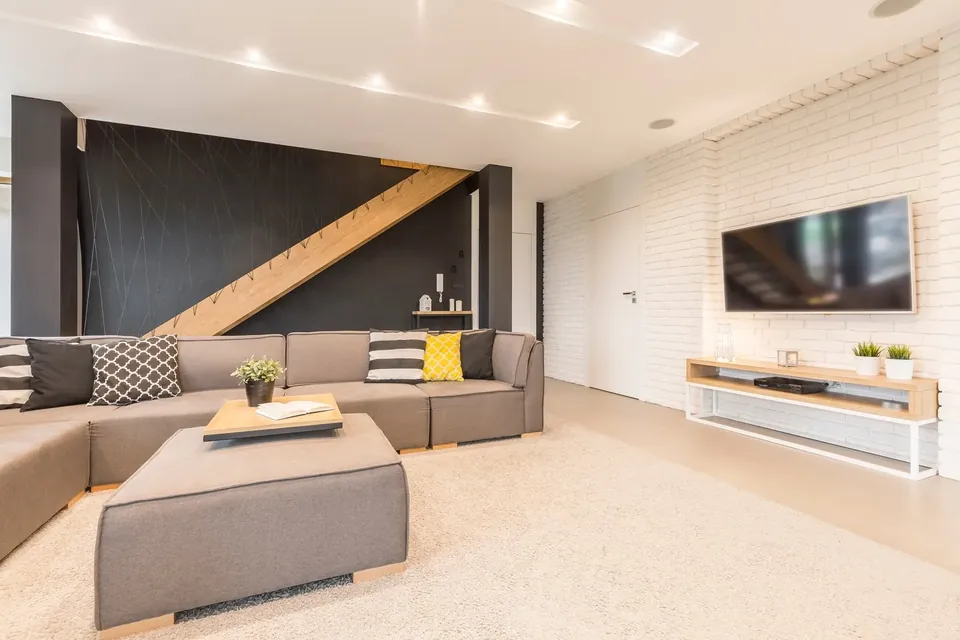
We install metallic floors for New Berlin homeowners finishing lower levels, adding home bars or theaters, or wanting a garage that matches the cars inside it. Businesses use them in showrooms, salons, offices and lobbies where the floor is part of the first impression.
Metallic epoxy is also an honest trade-off. It is more labor-intensive than flake, it highlights dust and grit more readily, and it is better suited to spaces with lighter, cleaner traffic. We help you decide whether it is the right finish for your space before we talk about colors.
A metallic floor is the one time we want the coating itself to be the point of the room.
Benefits
Why people fall for metallic epoxy
Truly unique
The pattern is created by hand during installation, so no other floor will look exactly like yours.
Visual depth
Reflective pigments give the floor a three-dimensional quality that changes as light moves across the room.
Seamless surface
No grout lines or seams, which means fewer places for dirt and moisture to collect.
Light-reflective
Metallic finishes bounce light around basements and interior rooms that lack natural daylight.
Fits many styles
Cool silvers suit modern interiors; bronzes and caramels warm up traditional and rustic spaces.
Durable when topcoated
A clear protective topcoat adds abrasion resistance and lets you choose gloss or satin.
Options & finishes
Colors, patterns and finishes
Designing a metallic floor is a conversation rather than a catalog choice. We talk about the colors in the room, the look you are drawn to, and how much movement feels right. Reference photos help.
Applications
Where metallic floors fit best
Metallic epoxy is happiest indoors, in climate-controlled spaces that see moderate foot traffic and regular light cleaning.
Finished basements
A showpiece floor for family rooms and lounges.
Home bars & theaters
Depth and shine that suit low, warm lighting.
Collector garages
For heated, carefully kept showcase garages.
Retail & showrooms
A floor that customers remember.
Salons & studios
Seamless, cleanable and design-forward.
Offices & lobbies
A distinctive alternative to tile or carpet.
Installation
How a metallic floor is installed
Metallic installs follow the same preparation as any system, then require extra care during application.
Design consultation
We review colors, reference images and the room itself, and agree on the style of movement before work begins.
Preparation and repairs
The slab is ground, repaired and made as smooth as practical. Metallic finishes reflect light, so surface flaws show more than under flake.
Primer and ground coat
A primer and tinted ground coat give the metallic layer a uniform background and help control how the pigments read.
Metallic application
The metallic layer is poured, spread and manipulated in sections while wet. Timing, temperature and technique all affect the final pattern.
Protective topcoat
Once the metallic layer has hardened, it is sealed under a clear coat chosen for the sheen you want and the wear the room will see.
Cure time and the care talk
We explain cure times, furniture protection and cleaning products that keep the finish looking its best.
Professional installation
Why metallic epoxy is not a DIY project
Metallic coatings are unforgiving. The product has a limited working window, and the pattern depends on how it is spread, how it is disturbed and how it settles. Overworking leaves a muddy look; underworking leaves obvious roller marks. Seams between sections must be blended while both are wet. These are skills built through practice on many floors.
Surface preparation is also more critical. Because metallic finishes are reflective, ripples, trowel marks and patched areas can telegraph through. We spend extra time on repairs and smoothing so the finished surface reads as one continuous plane.
Finally, the environment matters. Temperature and humidity affect flow and cure. Installing in a basement in January is different from installing in a sunroom in July, and we adjust accordingly.
New Berlin & Wisconsin
Metallic floors in Wisconsin homes
Most metallic floors we install in New Berlin are below grade, in finished lower levels. That makes moisture testing essential. A beautiful metallic floor over a slab with high vapor transmission is at risk of blistering, so we test first and choose a primer that suits the readings.
Basements also run cooler than the rest of the house through much of the year. Lower temperatures lengthen working and cure times, which can actually help with technique but means planning a little more time before furniture returns.
In garages, we generally recommend metallic only for heated, well-kept spaces. Salt, sand and grit tracked in on winter tires will dull a high-gloss metallic faster than a textured flake floor, so we will be upfront about whether it suits the way you use your garage.
Cost & care
Budgeting for a metallic floor and keeping it beautiful
A metallic floor takes more hours per square foot than almost anything else we install: extra smoothing before the first coat, several layers, and hand work that cannot be rushed. Room size, how much repair the slab needs, how many colors you want and how intricate the movement is will all show up in the estimate.
Because metallic floors are reflective, they show dust and footprints more readily than textured systems. A soft dust mop used regularly keeps them looking their best. For deeper cleaning, a damp microfiber mop with a pH-neutral cleaner works well; avoid harsh chemicals and abrasive pads.
Furniture pads and entry mats protect the finish from scratches, much as they would on hardwood. In basements and living spaces, area rugs can add warmth while letting the floor remain the focal point.
- Dust mop frequently with a soft microfiber pad.
- For deeper cleaning, use a lightly damp microfiber pad and a gentle, neutral cleaner.
- Felt under every chair and table leg; heavy pieces get lifted, never slid.
- Place mats at entries to catch grit before it reaches the floor.
FAQ
Metallic Epoxy Flooring: frequently asked questions
Will I know what the pattern looks like before you pour?
You choose the colors, the general style of movement and the level of contrast. The exact pattern develops during installation, which is part of what makes metallic floors unique. We share examples and discuss expectations so there are no surprises.
Do metallic floors scratch easily?
All glossy floors show fine scratches over time, much like a polished countertop. A quality topcoat, felt pads on furniture and walk-off mats at entries go a long way. Satin topcoats make minor wear less noticeable.
Is metallic epoxy slippery?
A high-gloss finish can be slippery when wet. In areas where water is likely, a satin topcoat or a fine grit mixed into the final layer gives better footing.
Will a metallic floor yellow?
Some epoxies can amber with UV exposure. We use UV-stable topcoats where sunlight reaches the floor to keep colors true.
Can metallic be installed in a commercial space?
Yes. Showrooms, salons, retail stores and offices are common applications. We plan installation around business hours and discuss traffic levels so the topcoat is suited to the use.
Can metallic epoxy go over radiant floor heat?
Coating over radiant heat is possible in many cases, but the system and cure process need to account for it, and the heat usually has to be turned off during installation. Let us know about radiant heat during the estimate.
How do I know if metallic is right for my space?
Metallic floors are a great fit for spaces where appearance is a priority and traffic is moderate: living areas, bars, offices and showrooms. If the space sees heavy grit, wet boots or dragged equipment every day, a flake system may serve you better. We will give you an honest opinion during the estimate.